Why DIY Lemon Pepper Beats Store-Bought for Any Meal
In a culinary world overflowing with pre-made solutions, there's a profound satisfaction that comes from crafting your own seasonings. Among them, the humble yet mighty lemon pepper stands out. But not just any lemon pepper – we’re talking about **homemade lemon pepper seasoning**. If you've ever found yourself reaching for a shaker of lemon pepper only to be met with an overwhelmingly salty taste or an artificial, chemical-like "lemon" flavor, you’re not alone. It’s a common frustration that can often derail an otherwise perfectly prepared meal.
Imagine a seasoning so vibrant, so fresh, so perfectly balanced that it elevates everything from a simple grilled chicken breast to a sophisticated salmon fillet. This isn't a fantasy; it's the reality when you make your own. Just like the allure of baking your own bread, brewing your own ketchup, or making your own jam, creating your own lemon pepper is a small step that yields monumental flavor rewards. It's a testament to the idea that sometimes, the simplest things are truly the best, especially when made with care and intention.
For many home cooks, lemon pepper seasoning is the unsung hero of the spice rack – an all-purpose enhancer akin to how Lawry's often graces beef and eggs, or how chocolate perfectly complements pretzels. It’s that versatile touch that brightens, zests, and adds a gentle kick without overpowering. But the crucial distinction lies in its origin. The journey from zest, salt, and pepper to a custom-blended, aromatic powder is not only surprisingly simple but utterly transformative.
The Undeniable Advantages of DIY Lemon Pepper
The decision to make your own **homemade lemon pepper seasoning** is born from a desire for better flavor, healthier ingredients, and complete control over your culinary creations. It’s an act of self-empowerment in the kitchen, ensuring that every sprinkle enhances rather than detracts.
Unparalleled Freshness and Flavor Purity
The most striking difference between homemade and store-bought lemon pepper is the intensity and authenticity of its flavor. Store-bought versions often suffer from a few critical flaws:
* **Artificial Lemon Flavor:** Many commercial blends use citric acid, artificial lemon oils, or dehydrated lemon powder that has lost its vibrant, fresh notes. This results in a one-dimensional, often metallic or overly sour taste that doesn't capture the bright, aromatic essence of real lemon zest.
* **Stale Pepper:** Pre-ground pepper in shakers loses its volatile oils quickly, diminishing its pungency and complex flavor profile. When you grind your own whole peppercorns, you unleash an immediate burst of fresh, spicy aroma that makes all the difference.
* **Excessive Salt:** A common complaint with store-bought blends is an overwhelming saltiness, often used as a cheap filler or flavor enhancer. This forces you to compromise on seasoning or meticulously adjust other ingredients to compensate.
With homemade lemon pepper, you use fresh lemon zest, which carries the aromatic oils directly from the fruit, and freshly ground peppercorns, providing a nuanced heat and fragrance. The result is a blend that is infinitely more aromatic, complex, and genuinely *lemony* and *peppery*.
Total Control Over Ingredients and Health Benefits
One of the greatest benefits of any homemade condiment or seasoning is knowing exactly what goes into it. Commercial seasoning blends can be a minefield of hidden ingredients:
* **Anti-caking Agents:** Ingredients like silicon dioxide are often added to prevent clumping, which while harmless, are still additives.
* **Preservatives:** To extend shelf life, various preservatives might be included.
* **Artificial Colors and Flavors:** These are often used to make the product more appealing or to mimic natural flavors lost during processing.
* **"Natural Flavors":** This vague term can sometimes mask a host of processed ingredients or extracts.
When you prepare your own **homemade lemon pepper seasoning**, the ingredient list is refreshingly simple: lemon zest, salt, and pepper. That's it. This allows you to avoid unnecessary additives and focus purely on the unadulterated flavors of fresh, high-quality ingredients. Furthermore, you gain complete command over the salt content, a crucial factor for those monitoring their sodium intake or simply preferring less salt in their diet. You can choose to add minimal salt, use a coarse sea salt, or even omit it entirely, adding salt separately to individual dishes to taste.
Customization is King: Tailor-Made for Your Palate
Your kitchen, your rules! The beauty of DIY lemon pepper lies in its infinite adaptability. Unlike rigid store-bought formulas, you can perfectly calibrate your blend to your personal preferences.
* **Lemon-to-Pepper Ratio:** Do you love a strong citrus punch, or do you prefer a more subtle lemon background with a forward pepper kick? You can easily adjust the amount of lemon zest relative to the pepper. Start with a balanced ratio, then increment the lemon for more zestiness or the pepper for more heat.
* **Peppercorn Varieties:** Don't limit yourself to just black pepper. Experiment with a "peppercorn medley" – a blend that often includes white, green, and pink peppercorns, and sometimes even coriander or allspice. Grinding these together creates a more complex, multi-layered flavor profile for your seasoning. The addition of other spices within the medley brings an unexpected depth that plain black pepper can't achieve.
* **Additional Aromatics:** Want to take it a step further? Consider incorporating other dried ingredients before the final grind. A touch of garlic powder, onion powder, or even a pinch of dried oregano or thyme can transform your lemon pepper into a truly unique, signature blend.
Crafting Your Signature Homemade Lemon Pepper Seasoning: A Step-by-Step Guide
Making your own **homemade lemon pepper seasoning** is an incredibly rewarding process, yielding a product far superior to anything you can buy. It's less about precision and more about understanding the core steps to achieve that perfect balance of zest and spice. For a more detailed walkthrough and specific measurements, you might find this guide helpful:
Homemade Lemon Pepper: Simple Recipe, Custom Zesty Flavor.
The Essential Ingredients for Perfection
You only need a few high-quality components to begin:
* **Lemons:** A generous supply of fresh lemons is paramount. Opt for organic if possible, as you'll be using the zest. You'll need a fair amount – typically 5-7 medium-sized lemons will yield a good batch of zest once dried.
* **Coarse Salt:** Kosher salt or a good quality sea salt works best. The coarser grind offers a pleasant texture and distributes flavor evenly. Remember, you control the amount here!
* **Freshly Ground Black Pepper:** Start with whole black peppercorns. If you're feeling adventurous, a peppercorn medley (including pink, green, white peppercorns, and sometimes other spices) will add depth and visual appeal.
The Simple Process: Zest, Dry, Grind, Mix
The magic of **homemade lemon pepper seasoning** unfolds in these easy steps:
1. **Zest Your Lemons:** Using a microplane or fine grater, carefully remove only the bright yellow outer layer of the lemon skin. Avoid the bitter white pith underneath. Collect all the zest in a bowl. You'll need more zest than you might initially think, as it reduces significantly in volume when dried.
2. **Combine with Pepper:** Add your freshly ground coarse black pepper (or peppercorn medley) to the bowl with the lemon zest. Give it a good stir, gently mashing the zest into the pepper. This helps distribute the lemon oils and flavors.
3. **Dry the Zest:** This is the crucial step to ensure a shelf-stable seasoning. Pile the zest and pepper mixture onto a parchment-lined baking sheet and spread it thinly and evenly. Bake it in your oven at its absolute lowest setting (often 150-200°F or 65-95°C). The goal is to dehydrate the zest completely without cooking it. This can take anywhere from 1 to 2 hours, or even longer, depending on your oven and the amount of zest. Check on it every 20-30 minutes, giving it a gentle toss and re-spreading to ensure even drying. The zest should be completely brittle and crumbly when done, not pliable.
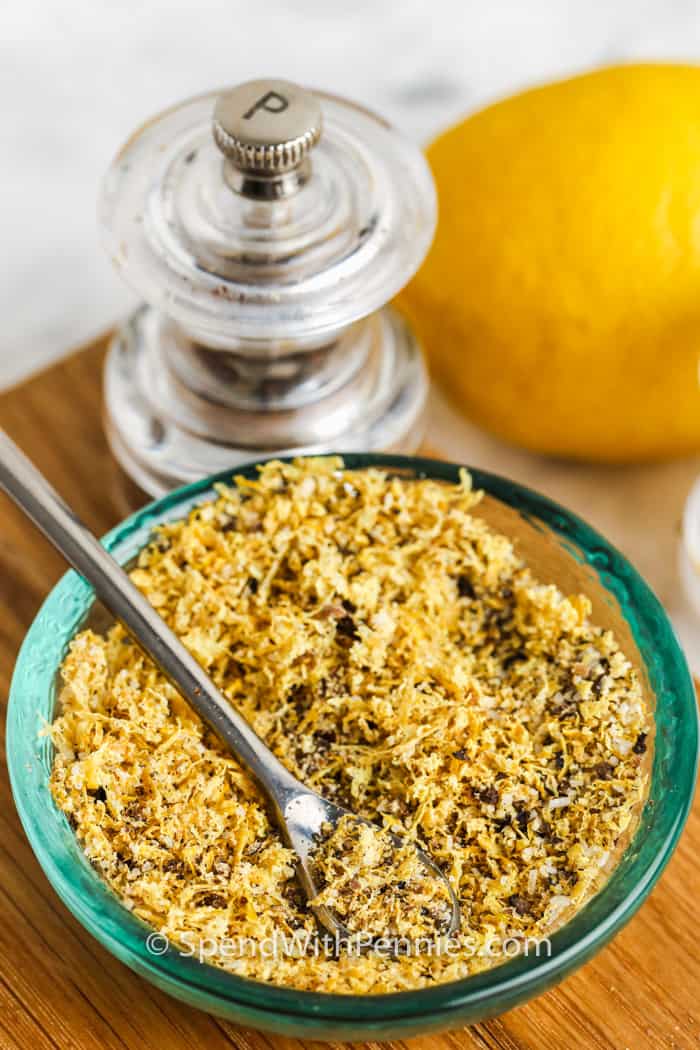
4. **Grind to Perfection:** Once the zest is thoroughly dried and cooled, transfer the mixture to a spice grinder or a clean coffee grinder. Blitz it until it reaches your desired consistency – from a fine powder that resembles sand to a slightly coarser, more textured blend, similar to store-bought lemon pepper.
5. **Add Salt (Optional but Recommended):** Now is the time to incorporate your coarse salt. This step is entirely optional; if you prefer to control your salt intake on a dish-by-dish basis, you can skip it and add salt separately when cooking. However, for a ready-to-use blend, mix in your desired amount of salt. Stir well to ensure it's evenly combined.
And just like that, you have a vibrant, aromatic, and perfectly personalized batch of **homemade lemon pepper seasoning**!
Beyond the Basics: Culinary Inspirations with Your New Favorite Seasoning
With your freshly made **homemade lemon pepper seasoning**, your culinary possibilities are boundless. Its bright, zesty, and peppery notes make it incredibly versatile, suitable for almost any meal where you want to add a touch of freshness and zing. For more delicious ways to use your custom blend, check out:
Ingredient Lemon Pepper: Enhance Chicken, Fish & Veggies.
Versatility Across Meats, Fish, and Poultry
* **Chicken:** This is arguably where lemon pepper shines brightest. Sprinkle it generously on chicken breasts, thighs, or a whole roasted chicken before baking or grilling. For an extra crispy treat, dust your chicken wings with it before frying or baking.
* **Fish and Seafood:** A natural pairing! Lemon pepper is a match made in heaven for white fish like cod or tilapia, flaky salmon, shrimp, and scallops. It enhances the delicate flavors of seafood without overpowering them.
* **Red Meats:** Don't count it out for red meat. A light dusting on steak before grilling, or mixed into ground beef for burgers, can add an unexpected and delicious brightness.
Elevating Vegetables and Sides
* **Roasted Vegetables:** Toss broccoli, asparagus, green beans, or potatoes with olive oil and your **homemade lemon pepper seasoning** before roasting for a simple yet incredibly flavorful side dish.
* **Salad Dressings and Marinades:** Whisk it into your homemade vinaigrettes or use it as a base for quick marinades for chicken or fish.
* **Everyday Staples:** Sprinkle it on scrambled eggs, avocado toast, or even a bowl of plain popcorn for a gourmet snack. It’s also fantastic on baked potatoes or mixed into mashed potatoes.
Storing Your Zesty Creation for Lasting Freshness
To preserve the vibrant flavor and aroma of your **homemade lemon pepper seasoning**, proper storage is key. Transfer your freshly made blend into an airtight container, such as a glass spice jar. Store it in a cool, dark place away from direct sunlight and heat, which can degrade the essential oils and diminish its potency. A pantry or cabinet shelf is ideal.
While homemade seasonings don't contain the preservatives found in commercial varieties, the drying process of the lemon zest ensures a decent shelf life. Your seasoning should remain fresh and potent for up to two to three months. Beyond that, it won't necessarily spoil, but its aromatic compounds will gradually fade, reducing its impact on your dishes. For the most intense flavor, aim to use it within this timeframe. If you notice any clumping or a significant loss of aroma, it's probably time to whip up a fresh batch!
Embrace the Homemade Difference
The journey to making your own **homemade lemon pepper seasoning** is a small step with immense rewards. It's a testament to the fact that cooking from scratch isn't always arduous; sometimes, it's painfully simple and utterly transformative. By choosing to make your own, you're opting for unparalleled freshness, complete control over ingredients, and the freedom to customize a blend that perfectly suits your palate. You'll avoid artificial additives, reduce excessive sodium, and unlock a depth of flavor that store-bought versions can only dream of. So, next time you're looking to elevate any meal, skip the pre-packaged options and discover the vibrant, authentic difference that only homemade can deliver. Your taste buds will thank you.