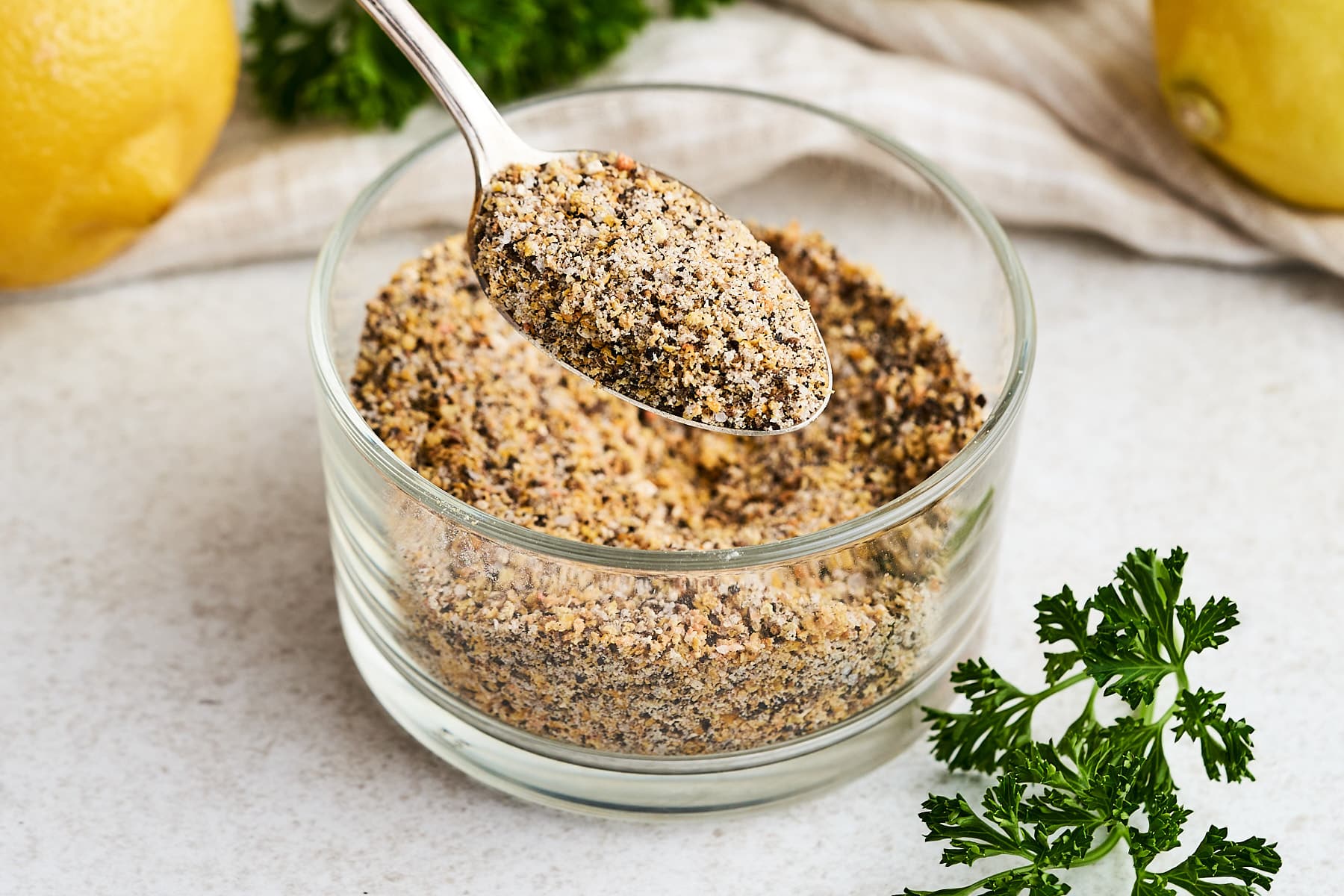
Unleash Zesty Flavor: Why Homemade Lemon Pepper Seasoning Reigns Supreme
Imagine a seasoning that effortlessly elevates humble chicken breasts, transforms flaky fish, and brings vibrant life to roasted vegetables. That's the magic of lemon pepper, a beloved blend renowned for its bright, piquant kick. While store shelves are stocked with countless options, there’s a secret to unlocking its true potential: making your own homemade lemon pepper seasoning. Far from a daunting culinary task, crafting this zesty staple yourself is surprisingly simple, incredibly rewarding, and promises a depth of flavor that commercial versions simply can't match. Forget the artificial flavors, the excess salt, and the unpronounceable ingredients often found in pre-made blends. When you create your own lemon pepper, you're in complete control, ensuring every pinch delivers pure, unadulterated taste and vibrant aroma. This article will guide you through the process, from ingredient selection to a perfectly dried and blended seasoning, empowering you to infuse your meals with unparalleled freshness and zest.Why Go Homemade? Unlocking Pure Flavor and Control
The allure of homemade lemon pepper seasoning extends far beyond just the satisfaction of DIY. It's about a fundamental shift in quality and customization. Many of us have experienced the disappointment of a store-bought lemon pepper that tastes overwhelmingly salty, strangely chemical, or lacks any genuine lemon brightness. This often stems from manufacturers using artificial lemon flavors, excessive sodium as a cheap filler, and anti-caking agents or other preservatives to extend shelf life. When you choose to make your own, you immediately eliminate these issues. Your seasoning will boast:- Authentic Lemon Zest: The true star of the show. By using fresh lemon zest, you capture the essential oils and vibrant acidity that define authentic lemon flavor. This is a world away from synthetic substitutes.
- Controlled Salt Levels: One of the biggest complaints about commercial blends is their saltiness. Making your own allows you to dictate precisely how much salt goes into your mixture – or even to omit it entirely and add it fresh to each dish. This is crucial for managing dietary intake and ensuring balance in your cooking.
- Superior Pepper Quality: Freshly ground black pepper, or even a diverse peppercorn medley, provides a complex aroma and a nuanced heat that pre-ground, often stale pepper cannot. You control the grind size, from coarse flecks to a fine powder, tailoring it to your preference.
- No Artificial Additives: Say goodbye to modified starches, MSG, and other mystery ingredients. Your blend will be pure, natural, and wholesome.
- Customizable Flavor Profile: Do you prefer more lemon zing or a bolder peppery kick? With homemade, you can adjust the ratios of lemon zest and pepper to create your signature blend. Want to add a hint of garlic powder or dried herbs? The choice is yours!
The difference in flavor is immediate and undeniable. As one home cook beautifully put it, "I always struggled with making my sports bar fave at home because I really do not like store bought lemon pepper seasoning. They tend to be way too salty for my taste. Plus, the super artificial taste of lemon turns me off." This sentiment is widely shared, highlighting the compelling reasons to embrace the DIY approach. For more insights into why a homemade blend consistently outperforms its store-bought counterparts, explore Why DIY Lemon Pepper Beats Store-Bought for Any Meal.
The Simple Magic: Essential Ingredients for Your Lemon Pepper Blend
The beauty of homemade lemon pepper seasoning lies in its elegant simplicity. You truly only need a handful of core ingredients to create something extraordinary. 1. Fresh Lemons: These are non-negotiable. You'll need a good quantity, as the zest is where all the vibrant lemon essence resides. Aim for organic, unwaxed lemons if possible. The quantity will depend on their size and how much lemon flavor you desire, but starting with 4-7 medium lemons is a good baseline. 2. Coarse Salt: While some prefer to add salt after the fact for ultimate control, incorporating a good quality coarse salt (like kosher salt or sea salt) into the blend can help draw out and preserve the lemon flavor during the drying process. Remember, you can always adjust salt levels when cooking. 3. Freshly Ground Black Pepper (or a Peppercorn Medley): This is where you can truly experiment. Freshly grinding whole peppercorns makes a monumental difference.- Standard Black Peppercorns: Provide a classic, robust heat.
- Peppercorn Medley: Often includes black, white, green, and pink peppercorns, sometimes with the addition of coriander and allspice. This blend offers a more complex, aromatic, and sometimes fruitier pepper profile. Grinding these fresh ensures maximum fragrance.
That's it! Three primary ingredients form the foundation of an incredible seasoning. The magic truly unfolds in how you prepare them.
Crafting Your Signature Blend: A Step-by-Step Guide
Making your own homemade lemon pepper seasoning is a straightforward process that involves three key stages: zesting, drying, and blending.Step 1: The Art of Zesting
This is arguably the most labor-intensive part, but crucial for flavor.
- Wash and Dry Lemons: Thoroughly wash your lemons to remove any residues, then dry them completely.
- Zest Carefully: Using a microplane grater or a fine-holed zester, carefully remove only the bright yellow outer layer of the lemon peel. Avoid the white pith underneath – it's bitter and will detract from your seasoning's flavor. Scrape and collect all the zest into a bowl. Remember, you'll need a generous amount, so don't be shy!
Step 2: Preparing the Pepper
- Grind Peppercorns: If using whole peppercorns (highly recommended!), place them in a spice grinder. Give them a quick pulse until they are coarsely ground. You want some texture here, not a fine powder just yet. If using a medley, this is where the various aromas will begin to release.
- Combine with Zest: Add the freshly ground pepper to the bowl with the lemon zest. Give it a good stir, using your fingers or a spoon to help mash the zest into the pepper. This initial mixing helps distribute the lemon oils and starts the flavor marriage.
- Add Salt (Optional): If you choose to include salt in the dried blend, add your coarse salt now and mix well. Remember, you can always add salt later when cooking for precise control.
Step 3: Drying for Potency and Preservation
Drying the lemon zest is essential. It removes moisture, which concentrates the flavor and prevents spoilage, allowing your seasoning to be stored for months.
- Preheat Oven to Lowest Setting: Set your oven to its absolute lowest temperature, typically around 150-200°F (65-93°C).
- Prepare Baking Sheet: Line a baking sheet with parchment paper.
- Spread the Mixture: Pile the lemon zest, pepper, and salt mixture onto the center of the parchment paper and then spread it out into a thin, even layer. The thinner the layer, the faster and more evenly it will dry.
- Bake Until Completely Dry: Place the baking sheet in the preheated oven. The drying time will vary depending on your oven and the amount of zest, usually taking 1 to 2 hours.
- Check Frequently: Every 20-30 minutes, check on the mixture. Give it a toss with a spatula to ensure even drying.
- Look for Crispness: The zest should be completely dry, brittle, and crumble easily when pressed. It should not feel sticky or pliable. The aroma will be wonderfully intense at this stage!
- Cool Completely: Once fully dried, remove the baking sheet from the oven and let the mixture cool completely to room temperature. This step is important to prevent condensation when storing.
Step 4: Final Grinding and Storage
- Grind to Desired Consistency: Once cooled, transfer the dried lemon pepper mixture to a clean spice grinder (or a coffee grinder dedicated to spices). Blitz it until it reaches your desired consistency – from a fine, sand-like powder to a slightly coarser blend with visible flecks of zest and pepper.
- Store Properly: Transfer your freshly ground homemade lemon pepper seasoning to an airtight container. A glass jar with a tight-fitting lid is ideal. Store it in a cool, dark place, away from direct sunlight and heat. Properly stored, your seasoning can maintain its potency and flavor for several months.
For a quick, easy-to-follow rendition of this process, check out Homemade Lemon Pepper: Simple Recipe, Custom Zesty Flavor.
Beyond the Basics: Creative Ways to Use Your Homemade Lemon Pepper
The versatility of homemade lemon pepper seasoning is truly its superpower. It’s not just for chicken and fish – its bright, zesty, and peppery notes can enhance an incredible array of dishes. Think of it as your new all-purpose seasoning for virtually anything that could use a lift. Here are just a few ideas to get you started:- Poultry Perfection: Rub it generously on chicken breasts, thighs, or a whole roasted chicken before baking or grilling. It also makes incredible lemon pepper wings!
- Seafood Sensation: Sprinkle it over salmon, cod, shrimp, or scallops before pan-searing, baking, or grilling. Its bright notes perfectly complement delicate seafood flavors.
- Vibrant Vegetables: Toss roasted broccoli, asparagus, zucchini, or potatoes with olive oil and a healthy dash of lemon pepper before roasting. It transforms simple veggies into something special.
- Marinades & Dressings: Whisk it into olive oil, a squeeze of fresh lemon juice, and a touch of garlic for a quick and zesty marinade for chicken or fish, or a vibrant salad dressing.
- Elevate Breakfast: Sprinkle it over scrambled eggs, omelets, or avocado toast for an unexpected burst of flavor.
- Snack Upgrade: Toss it with popcorn, roasted chickpeas, or even homemade potato chips for a gourmet snack.
- Flavorful Rubs: Incorporate it into rubs for steak or pork for a bright counterpoint to richer meats.
- Soup & Stew Finisher: A pinch added at the end of cooking can brighten up creamy soups or hearty stews.
- Cocktail Rimmer: Mix it with a little extra salt to rim glasses for savory cocktails like a Michelada or a Bloody Mary.
