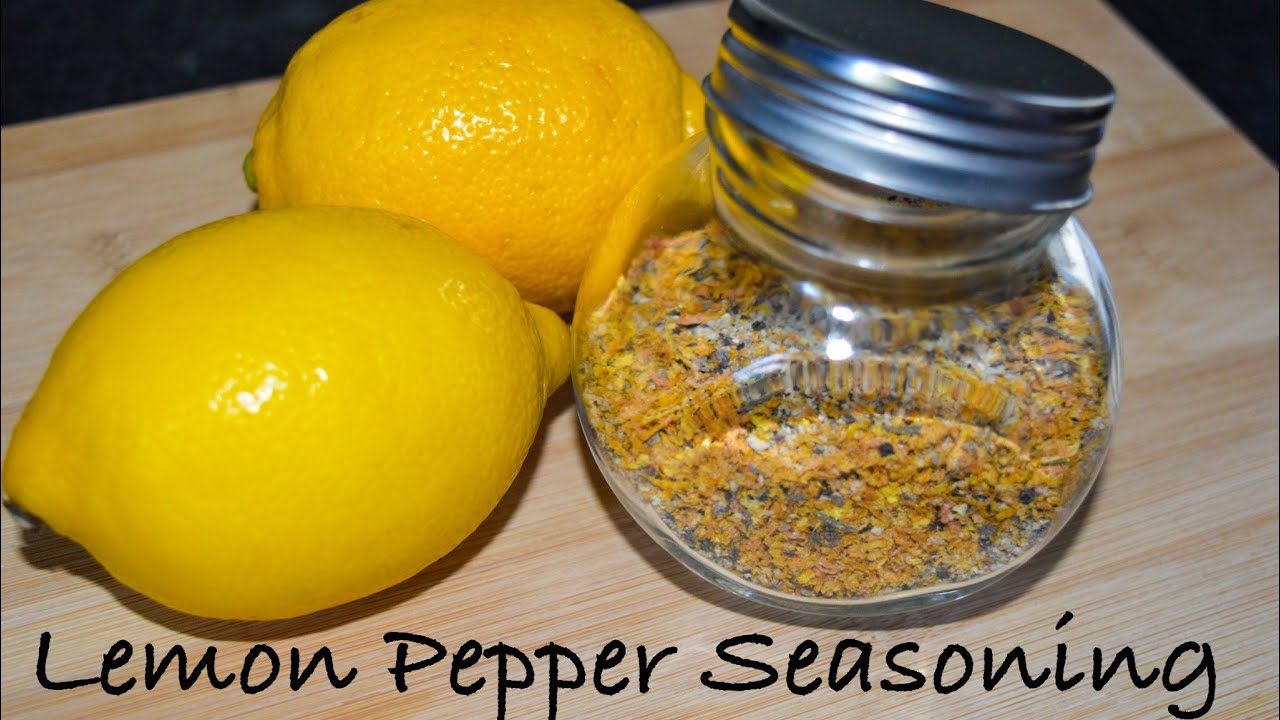
Tired of store-bought seasonings that promise zest but deliver only artificial flavors and excessive salt? Imagine a vibrant, aromatic blend that transforms ordinary meals into extraordinary culinary experiences, all made in your own kitchen with just a few simple ingredients. That’s the magic of homemade lemon pepper seasoning.
For many home cooks, the journey to making more from scratch begins with staples like bread, jam, or even ketchup. But a truly rewarding and impactful DIY project is crafting your own spice blends. Take lemon pepper, for instance. It's an indispensable all-purpose seasoning for fish and chicken, much like Lawry’s is to beef, or chocolate is to pretzels – a perfect pairing that elevates everything it touches. Yet, store-bought versions often fall short, tasting overly processed, artificial, and notoriously salty. The good news? Crafting your own homemade lemon pepper seasoning is surprisingly straightforward and offers a world of customizable flavor.
Unlock Pure Flavor: The Magic of Homemade Lemon Pepper Seasoning
There's a unique satisfaction that comes from creating something delicious from scratch, especially when it results in a product far superior to its mass-produced counterpart. Homemade lemon pepper seasoning is a prime example of this. It eliminates the need for artificial colors, flavors, and anti-caking agents often found in commercial blends. What you get instead is pure, unadulterated lemon brightens, robust pepper spice, and the perfect hint of salt, all in a ratio you control.
The beauty of this seasoning lies in its simplicity. At its core, you need only three ingredients: fresh lemon zest, coarse black pepper, and coarse salt. This minimalist approach ensures that every component shines, allowing the natural zest of the lemon to truly pop, rather than being masked by synthetic substitutes. Beyond the incredible taste, making your own blend is a step towards healthier eating and a more conscious culinary practice. You decide what goes into your food, guaranteeing a cleaner and more flavorful outcome for every dish, from crispy lemon pepper wings to delicate baked fish and vibrant roasted vegetables.
Beyond the Bottle: Why Homemade Lemon Pepper Beats Store-Bought
If you've ever been disappointed by the underwhelming taste or excessive saltiness of commercial lemon pepper, you understand the driving force behind making your own. Store-bought versions frequently contain citric acid and artificial lemon flavorings that lack the complex, bright aroma of fresh lemon zest. Moreover, their salt content is often alarmingly high, making it difficult to properly season your food without over-salting.
By opting for homemade lemon pepper seasoning, you gain complete control over crucial elements:
- Ingredient Quality: You select the freshest, most aromatic lemons and high-quality peppercorns. This ensures a superior flavor profile that no synthetic blend can replicate.
- Salt Levels: This is perhaps the biggest advantage. You can add salt to your preferred taste, or even omit it entirely and season with salt separately when cooking. This allows for greater flexibility, especially for those managing sodium intake.
- Customizable Flavor Profile: Want more lemon? Add more zest. Prefer a bolder pepper kick? Increase the amount of freshly ground pepper. You can also experiment with different types of peppercorns or introduce other complementary spices, something rarely possible with pre-mixed blends.
- No Artificial Additives: Say goodbye to preservatives, anti-caking agents, and "natural flavors" that can mask the true taste of your food. Your homemade blend is pure and clean.
- Freshness: Nothing compares to the aroma and potency of a freshly made spice blend. The vibrant oils from the lemon zest and the fresh grind of peppercorns will infuse your dishes with an unparalleled freshness.
The difference is not just subtle; it's transformative. For a deeper dive into the advantages, explore Why DIY Lemon Pepper Beats Store-Bought for Any Meal.
Crafting Your Custom Zesty Blend: A Simple Step-by-Step Guide
Ready to embark on your culinary adventure? Making your own homemade lemon pepper seasoning is surprisingly simple. While it does require a bit of patience for the drying process, the hands-on time is minimal, and the reward is immense. Here's how to create your own:
Ingredients You'll Need:
- 5-7 large, fresh lemons (organic if possible, as you'll be using the zest)
- Approximately 1/4 - 1/2 cup coarse black peppercorns (or a peppercorn medley)
- 1-2 tablespoons coarse salt (optional, to be added at the end)
Equipment:
- Microplane or fine grater
- Spice grinder or clean coffee grinder
- Parchment paper
- Baking sheet
- Airtight container for storage
Step-by-Step Instructions:
- Zest Your Lemons: This is arguably the most "labor-intensive" step, but it's crucial for flavor. Using a microplane or fine grater, carefully remove only the bright yellow zest from the lemons, avoiding the bitter white pith underneath. Aim for a generous amount – the zest from 5 to 7 lemons is a good starting point, but you can adjust based on your desired lemon intensity. As you zest, you'll immediately notice the vibrant, citrusy aroma.
- Prepare Your Peppercorns: For the freshest flavor, always start with whole peppercorns. Measure out your desired amount (start with 1/4 cup and adjust later). While black peppercorns are standard, a "peppercorn medley" (often containing pink, green, white, and black peppercorns, sometimes with coriander and allspice) can add a delightful layer of complexity and visual appeal. Place them in your spice grinder and pulse quickly until coarsely ground. You want a coarse grind, not a fine powder, to provide texture and a burst of flavor.
- Combine and Infuse: In a bowl, combine the fresh lemon zest with the freshly ground pepper. Using your fingers or a spoon, gently massage and stir the zest into the pepper. This helps to release the volatile oils from the lemon zest, allowing them to infuse with the pepper and create a more cohesive flavor profile.
-
Dry the Zest: This step is vital to prevent moisture from spoiling your seasoning and to concentrate the lemon flavor.
- Preheat your oven to its absolute lowest setting (usually around 170-200°F or 75-95°C).
- Line a baking sheet with parchment paper.
- Spread the lemon zest and pepper mixture evenly in a single layer on the parchment paper.
- Bake for 1 to 2 hours, or until the lemon zest is completely dry and brittle. The exact time will depend on the moisture content of your zest and your oven.
- Stir and redistribute the mixture every 20-30 minutes to ensure even drying. The goal is to dry the zest, not to toast or cook it, so keep the temperature low to preserve its bright flavor.
-
Final Grind and Salting: Once the mixture is completely dry (it should crumble easily), remove it from the oven and let it cool completely. Transfer the dried mixture back into your spice grinder. Pulse in short bursts until it reaches your desired consistency – from a coarse blend to a finer, sand-like texture, similar to store-bought lemon pepper.
Now, consider the salt. This is where customization truly comes into play. You can:
- Add salt now: Mix in 1-2 tablespoons of coarse salt with the ground seasoning. This creates a ready-to-use blend.
- Omit salt: If you prefer to control salt levels in your cooking or are on a low-sodium diet, you can skip adding salt to the blend entirely. Simply add salt separately when you're seasoning your dishes.
Mastering Your Mix: Tips for Perfecting Your Homemade Lemon Pepper
Making your own homemade lemon pepper seasoning is incredibly forgiving, allowing for endless customization to suit your palate. Here are some tips to help you perfect your blend:
- Lemon-to-Pepper Ratio: The quantity of lemons and peppercorns is a matter of personal preference. If you like a super zesty, lemon-forward seasoning, increase the amount of lemon zest. For a bolder, spicier kick, use more peppercorns. Don't be afraid to taste and adjust during the process (after drying, before the final grind) to find your ideal balance.
- Quality of Ingredients Matters: Start with fresh, firm lemons with blemish-free skins. Invest in good quality whole peppercorns; they retain their flavor much better than pre-ground pepper.
- Even Drying is Key: Ensure the lemon zest is thoroughly dried. Any residual moisture can lead to clumping and spoilage, shortening the shelf life of your seasoning. Low heat and patience are your best friends here.
- Storage for Longevity: Once cooled, transfer your homemade lemon pepper seasoning to an airtight container. Store it in a cool, dark place away from direct sunlight and heat. Properly stored, it can last for several months, though its potency will be highest in the first few weeks.
- Creative Additions: While the classic blend is fantastic, feel free to experiment. Consider adding a pinch of garlic powder, onion powder, dried oregano, or even a touch of red pepper flakes for an extra dimension of flavor. If you used a peppercorn medley, you might already have hints of coriander or allspice, adding another layer of aromatic complexity.
This versatile seasoning is a game-changer for countless dishes. Use it to enhance grilled lemon pepper chicken, baked or pan-seared fish, roasted vegetables (broccoli, asparagus, potatoes), or even sprinkle it over popcorn. It's also a fantastic addition to homemade salad dressings or marinades. For specific ideas on how to incorporate your fresh blend, check out Ingredient Lemon Pepper: Enhance Chicken, Fish & Veggies.
Embracing the simplicity of these three core ingredients – fresh lemon zest, coarse black pepper, and sea salt – allows you to create a pantry staple that is truly your own. The effort is minimal, the reward is maximum, and the flavor is unmatched.
Making your own homemade lemon pepper seasoning isn't just about cooking; it's about reclaiming control over your ingredients, infusing your kitchen with incredible aromas, and elevating your everyday meals. Ditch the artificial, overly salty store-bought versions and discover the vibrant, customizable zest of your very own blend. You'll be amazed at the difference fresh, homemade flavor can make.
